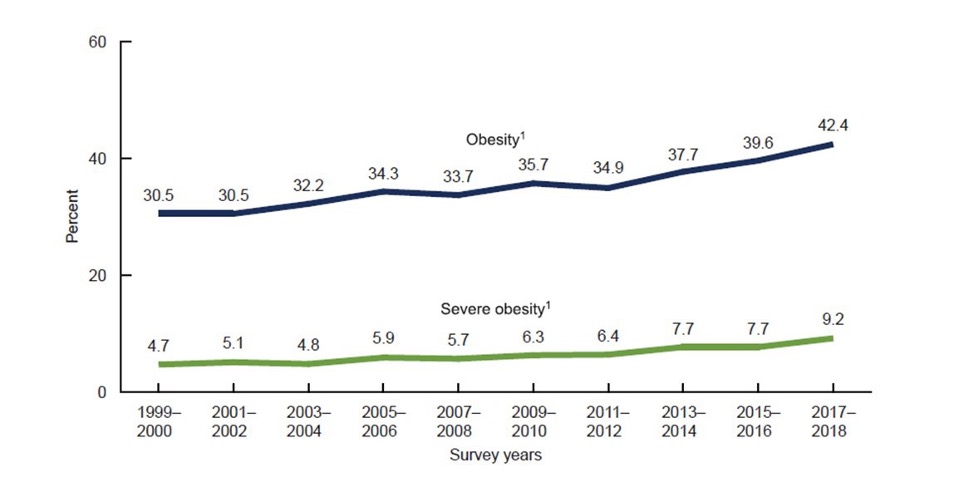
A study from the Kaiser Family Foundation recently found that 1 in 8 American adults are taking a GLP-1 receptor agonist for either weight loss or diabetes. The implication is that 12% of the hospital visitors and hospital stafff who eat at hospital cafeterias are taking these drugs. An additional 6% of adults have used GLP-1 drugs in the past. GLP-1 drugs not only reduce overall appetite, but they also change food preferences in people who take them. Hospital cafeterias are in a unique position to both accommodate these changes in food preferences and also educate the public about healthy eating while taking GLP-1 receptor agonists.
What are GLP-1 receptor agonists?
In 1983, researchers at the University of Chicago found that the glucagon gene could produce more than just one peptide because of tissue-specific post-translational processing. One of these hormones produced by the glucagon gene was glucagon-like peptide-1, also known as GLP-1. Although naturally occurring human GLP-1 seemed to have some promising metabolic effects, it had an extremely short half-life. So it did not appear to have much promise as a therapeutic agent. But in 1992, a researcher at the VA medical center in New York was studying peptides found in Gila monster venom. One of these peptides was almost identical to human GLP-1 except that it lacked a single crucial alanine residue. As a result, it was resistant to enzymatic degradation and had a much longer half life. This led to the FDA approving the first GLP-1 analog, exenatide, in 2005. Exenatide was sold under the brand name Byetta and used to treat type 2 diabetes.
During the initial clinical trials of extenatide in diabetes, researchers noticed that there was an unexpected side effect, namely, weight loss. As additional longer acting GLP-1 analogs were created and studied, the weight loss became more apparent. In 2021, the first GLP-1 agonist was approved by the FDA specifically to treat obesity. In the 5 years since, GLP-1 agonists have revolutionized the way that we treat obesity. Most people who take GLP-1 agonists for obesity will lose 15% – 25% of their body weight in the first year of treatment. Two months ago, the FDA approved the first oral GLP-1 agonist, Wegovy, making these drugs even more accessible. Within the first 2 weeks of oral Wegovy’s launch, 26,000 prescriptions were written and this number is expected to increase dramatically by the end of 2026.
Changes in food preferences by people taking GLP-1 agonists
A study published last month in JAMA found that when people take GLP-1 agonists, their food preferences change. The study looked at 13,565 people in Denmark who donated their grocery store receipts. Those taking GLP-1 drugs were matched 1:3 with controls of the same age, gender, and income. For those taking GLP-1 drugs, food category purchases were compared from before to after starting the drugs. Compared to controls, those taking GLP-1 drugs had a drop in total calorie consumption, sugar consumption, carbohydrate consumption, and saturated fat consumption. Protein consumption increased after staring GLP-1 drugs. In addition, there was an increase in consumption of unprocessed foods and a significant decrease in ultraprocessed foods when taking GLP-1 receptor agonists.
GLP-1 receptor agonist users also decrease their overall grocery purchases. A study published in the Journal of Marketing Research in December 2025 found that when a household has at least 1 member taking a GLP-1 drug, grocery purchases drop by 5%. The food category most affected was calorie-dense processed foods, such as chips, that dropped by 10%. Currently, 20% of American households have at least one member taking GLP-1 drugs.
Another study by PwC found that GLP-1 drug users have a 33% reduction in alcohol consumption, 84% reduction in dessert consumption, and a 70% increase in fresh produce consumption.
Food producers have responded to the changing preferences of people taking GLP-1 receptor agonists. For example, Greek yogurt sales have skyrocketed, particularly for products like Oikos Triple Zero Greek yogurt with a high protein content and no added sugar. Last year, Conagra began adding a GLP-1 friendly label to packaged foods to make them easier for users to spot on grocery store shelves.
What should hospital cafeterias do?
The GLP-1 drug revolution represents a unique opportunity for hospitals both to optimally serve the increasing population of people taking these drugs and to educate customers (and hospital staff) about healthy eating. Here are some specific tactics hospital food services departments can take:
Changing food and beverage offerings
- Increase availability of high protein, low sugar foods such as zero sugar added Greek yogurt, chicken entrees, shrimp entrees, and fish entrees.
- Increase offerings of fresh fruits and vegetables.
- Reduce sugar-added soft drinks and juices by putting them on lower shelves than diet soft drinks and bottled water. Also, put more bottles of diet soft drinks and water than sugar-added soft drinks in refrigerated shelves to signal to customers that these are the preferred beverages.
- Stock 16 ounce cans and bottles of diet soda and water but only stock 8 or 12 ounce cans and bottles of sugar-added sodas to encourage sugar-free drink purchases.
- Eliminate or reduce available package sizes of ultraprocessed snack foods, such as chips.
- Stock packages of nuts and seeds as alternatives to chips.
- Reduce serving sizes of desserts.
- Ensure daily high protein vegetarian entrees are available such as rice and bean, lentil, quinoa, tofu, and edamame dishes.
Healthy eating education
- Label foods as being “GLP-1 smart choices” to help GLP-1 drug users know which foods best complement GLP-1 receptor agonists for weight loss. This should not only include low-calorie, high protein foods but also include sugar free drinks.
- Create signage that indicates the calorie, protein, and carbohydrate contents of all food and beverage offerings.
- Create posters or table placards that state in simple terms what foods best complement GLP-1 drugs and what category of drugs to avoid, such as the example below:

Hospitals should be the leaders, not the followers
American food manufacturers see the GLP-1 drug writing on the wall and are already producing and promoting food products at our grocery stores that are GLP-1 friendly. But there are gaps – for example, a head of broccoli or a head of lettuce will probably never carry stickers promoting their benefits for GLP-1 drug users. Grocery stores are never going to try to dissuade customers from buying beer, Cheetos, or cartons of Coke because these products have a high mark-up and grocers make a lot of profit from their sales. Similarly, McDonalds is never going to encourage customers to avoid buying Big Macs and fries.
But hospital cafeterias have a dual mission of feeding hospital visitors and hospital staff as well as improving community health. Hospitals can fill the gaps left by grocery stores and fast food restaurants when it comes to helping GLP-1 receptor agonist users lose weight by offering food options that complement GLP-1 drugs and by providing education about these food options. And the benefits go way beyond GLP-1 drug users – it turns out that the foods that complement GLP-1 drugs are also foods that form a healthy diet for the vast majority of Americans.
This is a tremendous opportunity. Make sure that your hospital’s food services department takes advantage of it.
February 23, 2026
